Table of Contents
If finding a trustworthy storage facility were as simple as Googling the closest one, then there wouldn't be storage horror stories in Reddit threads. If you want your belongings to be in the same condition that you left them in, then you need to find a storage facility that you can rely on to keep them safe, dry, and accessible.
How do you know if a storage facility is trustworthy? The best way is to visit it in person. How else can you see exactly what you are paying for? A quick tour can reveal any hidden issues that polished online photos might leave out.
Wise renters know to inspect before signing a lease. So, we've put together a list of which physical details to check, the crucial questions to ask, and the warning signs that mean you should look elsewhere. These steps will help you to secure a reliable rental space for your belongings.
What to Look Out for When You Visit a Storage Facility
The very best way to get the feel of a storage facility is to request an in-person tour before you agree to rent. Take a look around and ask yourself:
How Is the Lighting?
Bright lighting deters theft and makes navigating the property with your belongings safer. Look for good lighting around the entrances, hallways, and loading areas.
If hallways or drive-up areas feel dark during your tour, take it as a warning sign. Poor lighting can also make accessing your unit less convenient on those short winter days.
Is it Clean?
Pay attention to the overall condition of the property during your visit. Look closely at hallways, corners, doors, and common areas.
A clean property usually signals better upkeep and proactive management. On the other hand, excessive dust, unemptied trash, mysterious spills, suspicious droppings in corners, or neglected areas can indicate a lack of care. A dirty environment can attract pests or even cause you to slip and fall.
How Secure Is the Fence and Perimeter?
A perimeter fence is the primary physical barrier that keeps unauthorized visitors off the property. Check whether the perimeter fencing looks maintained and secure.
Gaps, rust, damage, or neglected fencing raise valid concerns about how well the site is monitored. If the fence is broken, then your items are not truly secure.
How Secure Is the Gate?
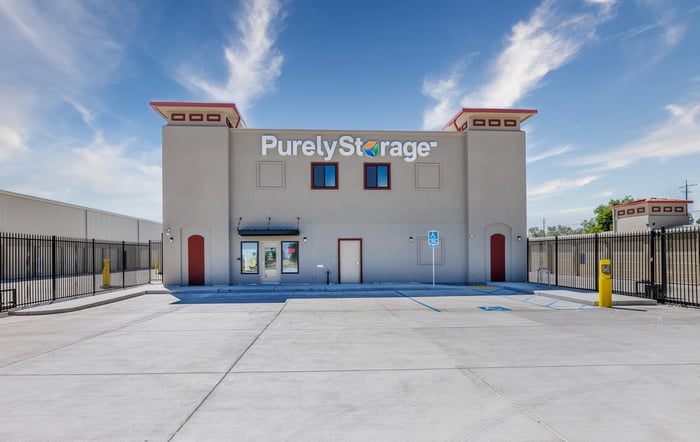
Watch whether the electronic entry gate is working properly while you are there. The entry gate should require a unique code or pass to open, which helps keep a log of who enters and exits the property. For example, our facility on Madera's Huntington Road uses a secure gate system to track entry.
Is entry strictly controlled, or casual, when you arrive? A gate that looks broken, is permanently propped open, or appears loosely managed compromises the security of the entire storage facility.
How Wide Are the Hallways?
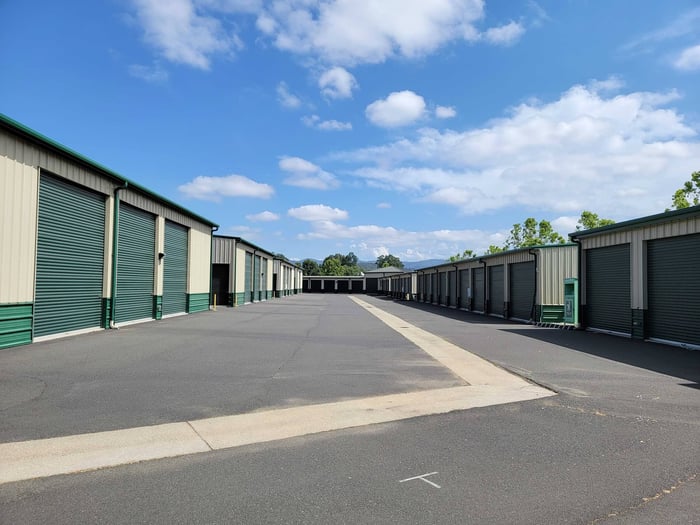
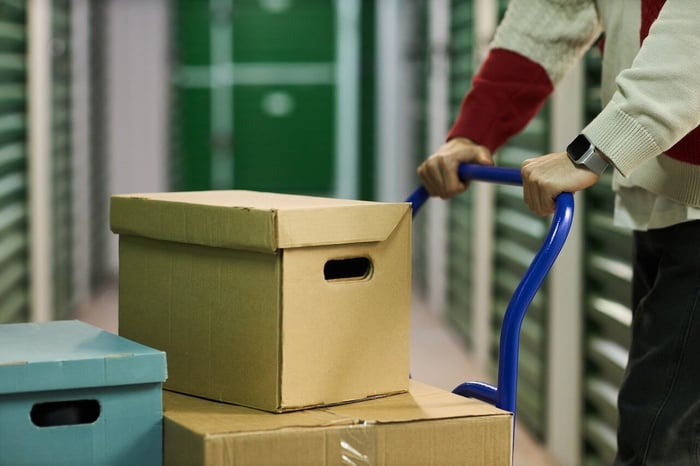
Make sure the hallways are wide enough for furniture, appliances, and moving carts.
Narrow, awkward hallways can make move-in day much harder, especially if you plan to store large couches, heavy dressers, mattresses, or bulky boxes.
What Should I Check Inside the Unit Itself?
Test the door mechanism by opening and closing it yourself. The door should roll up smoothly and lock cleanly and easily.
Breathe deeply and smell the air inside the unit. If you can smell damp or must, then there is likely a damp issue. A damp unit can easily ruin wooden furniture, clothing, and important documents.
What Should I Ask Before Signing My Storage Facility Lease?
Not all storage facilities follow the same business practices, so asking direct questions is the best way to clarify your financial obligations and access rights before signing a lease.
What Is Your Rate Increase Policy?
A rate increase policy dictates how and when a facility can raise your monthly rent. One of the first questions you should ask the manager is exactly how frequently they evaluate rates and how much notice they provide.
Many facilities offer low introductory rates, only to raise them a few months later. If you know to expect a price increase, then you can work that into your budget from the beginning.
What Does the Storage Facility's Insurance Cover?
Ask the manager what the facility's insurance policy covers and, more importantly, what it doesn't. Storage insurance is a policy designed to protect the value of your belongings against theft, fire, or severe weather.
Most standard facility policies only cover the building itself, not the items inside your unit. If you get your own insurance for your things inside the unit, then that is another cost to consider.
When Is the Notice Period to Move Out?
Ask how many days in advance you must notify them before ending your rental agreement. The notice period is the mandatory timeframe you must give the property manager before vacating.
Most places have a 15-day or 30-day written notice period. What happens if you don't give the required notice? It can result in paying for an extra month, even if you've already moved out.
What Are the Access Hours for the Storage Facility?
Access hours determine when you are allowed to enter the property and access your unit; they are often different from the storage facility's office hours.
Some locations offer 24/7 access, while others restrict entry to daytime hours only. A unit will only be convenient to you if the opening hours fit your schedule.
What Should I Look for in the Lease?
Always review the lease document carefully for these specific clauses:
Prohibited items: Check the list of banned items. This typically includes perishables, hazardous materials, flammable liquids, and live plants.
Missed payments: What happens if you miss a payment? Look for details on late fees, lockouts, and auction timelines.
Rate increase terms: Check that the rate increase policy the manager explained matches the written contract.
Auto-renewal terms: Auto-renewal means your lease automatically extends every month. Find out how to properly cancel this when you wish to end your lease (after you've given sufficient notice to your facility).
Which Red Flags Are Dealbreakers?
Trust your instincts if a storage facility feels unsafe or poorly managed. But what are the red flags that you absolutely must not ignore?
The property looks poorly maintained, with obvious trash or structural damage.
Lighting is weak, broken, or completely missing in access areas.
Fencing or gates do not seem secure, or the gate is stuck open.
Staff cannot clearly explain rate changes, lease terms, or insurance requirements.
Access rules feel unclear or overly restrictive for your needs.
The lease seems inconsistent with the promises made during your tour.
The facility feels disorganized or hard to navigate.
Hallways or access points make moving large items completely unrealistic.
Frequently Asked Questions
What should you check in a storage unit lease?
You should check the rules regarding prohibited items, late fee schedules, and the notice period required to move out.
Why does hallway width matter at a storage facility?
Hallway width matters because you need enough clearance to maneuver large items like mattresses, couches, and appliances. Narrow corridors make it difficult to turn corners with a moving cart.
Should first-time renters visit the storage facility in person?
Yes, first-time renters should visit the property in person. A physical tour allows you to check for good lighting, property cleanliness, and gate functionality.
Do I need my own insurance for a storage unit?
Yes, you generally need your own tenant insurance policy. Most facility insurance plans only cover damage to the physical buildings, not your personal belongings inside.
Purely Storage: The Storage Facility That Checks All the Boxes
Renting a storage unit is a bit like buying a house; you wouldn't sign anything without first visiting the property. When you visit a storage facility, use it as an opportunity to ensure it's a secure, well-maintained space where you feel confident your possessions will be protected.
At Purely Storage, our facilities are family-owned and operated. You'll always get premier customer service from a team dedicated to protecting your belongings. Our reviews speak for themselves! If you're looking for storage in Madera, use this guide as a checklist when you tour our Huntington Road facility and see how we stack up.