Table of Contents
- Can You Store a Car in a Storage Unit?
- What Size Storage Unit Do You Need for a Car?
- How Do You Drive a Car Into a Storage Unit?
- Why Choose Indoor vs. Outdoor Car Storage?
- How to Prepare a Car for Storage
- What Are the Most Important Questions to Ask a Car Storage Facility Before You Rent?
- Frequently Asked Questions
- Store Your Care Securely With Purely Storage
To answer the immediate question, yes! You can absolutely store a car in a storage unit. Many facilities offer spaces dedicated to storing vehicles of all sizes.
There are a few things to keep in mind when finding the right car storage solution for your vehicle, and this guide will walk you through each of them. From how to safely park your vehicle in a rented space in Kennewick to deciding between indoor and outdoor options, we'll cover it all.
Read on to discover what you need to know before getting your car storage-ready and signing that lease.
Can You Store a Car in a Storage Unit?
Yes! Storage facilities usually have specific units where you can safely store your car. But it's important to note that not every facility allows it. To prevent your lease ending early or even a potential towing, double check if your local storage unit permits motor vehicles inside their buildings.
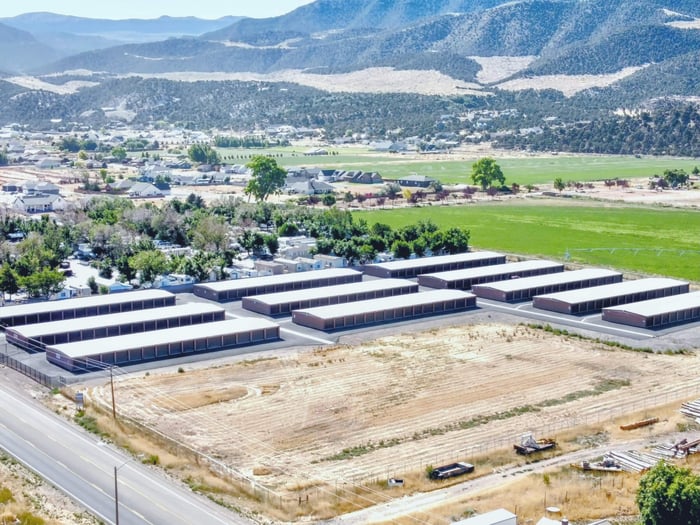
When you find a unit that permits car storage, look for a location that offers enclosed vehicle storage with secure roll-up doors—these are the most secure. Another great option for temporary or short-term storage is outdoor or uncovered parking spots within your facility's gated lots.
Rules will always vary by location due to local zoning laws and company policies. Always confirm the facility’s specific requirements before you rent a unit. This step will prevent you from being turned away, which can be inconvenient and annoying.
What Size Storage Unit Do You Need for a Car?
For most compact cars and sedans, a 10x20 unit is the minimum size you'll need. Larger vehicles, lifted trucks, or vans needing extra clearance will likely need a 10x30 unit. These larger spaces give the necessary depth for longer vehicles.
Much like squeezing into a tight parking space, you also need to bear in mind that drivers need enough room to open the doors and maneuver around the bumper.
Measure your vehicle from bumper to bumper before booking, and don't forget any side mirrors or trailer hitches!
How Do You Drive a Car Into a Storage Unit?
If your facility offers drive-up enclosed car storage, then it's easy to simply drive into the space. These specialized units feature large roll-up doors that open directly to the driveway.
Access and ease are largely down to the door width, the unit depth, and the overall site layout. Some facilities have wide aisles, while others have tight corners that can make backing up difficult. Make sure you can comfortably navigate the facility's parking lot before booking.
Keep in mind that some locations may only offer outdoor vehicle storage instead of enclosed units.
Why Choose Indoor vs. Outdoor Car Storage?
Can you store a car in a storage unit safely indoors? Yes, indoor car storage offers protection from harsh weather and extreme temperatures. Indoor units provide privacy, shielding the vehicle from dust, sun damage, and debris. Indoor parking is often the better choice for long-term storage (more than 6 months).
Outdoor car storage, on the other hand, offers much easier, faster access. It is often the simplest choice for parking larger vehicles like heavy-duty trucks or passenger vans. If you are parking your car short-term between moves, then outdoor parking may be a great fit. It may also be more practical, depending on your budget and local availability.
How to Prepare a Car for Storage
Preparing your vehicle for car storage can be broken into 3 basic steps: cleaning, preparation, and protection.
1. Cleaning
Take your time cleaning the car inside and out. Dirt and moisture left on the paint can cause rust and damage over time.
2. Preparation
Fill the fuel tank. A full tank prevents damaging moisture from building up inside the fuel lines. Be sure to add a fuel stabilizer for longer storage periods to keep the gas fresh.
You should always change the oil right before parking the vehicle. Used engine oil contains harsh contaminants that can eat away at engine components.
Inflate the tires to the manufacturer's correct pressure. Tires can easily develop flat spots when a car stays in one place for weeks or months at a time.
Disconnect the negative terminal on the battery, or attach a smart trickle charger. A trickle charger slowly supplies power to maintain battery health. A dead battery in cold or damp conditions can cause major electrical system failures.
3. Protection
Cover the car with a breathable car cover. This protects against dust, moisture, and minor scratches while still allowing air to circulate. Steer clear of cheap plastic covers that will actually hold condensation against the paint.
Do not engage the handbrake for long-term storage. Brake pads can physically fuse to the discs over time, making the car impossible to move. Use wheel chocks behind the tires instead.
What Are the Most Important Questions to Ask a Car Storage Facility Before You Rent?
Even when you've established with the property manager that they actually allow enclosed vehicle parking, it's still a good idea to ask:
What unit sizes can comfortably fit my motor vehicle? Confirm that the chosen size is actually available at your specific location.
Can my car be safely driven straight into the unit?
Do they require proof of current registration or auto insurance? Most self-storage facilities will ask for copies of these documents.
Are there strict rules about operable vehicles?
What are the daily access hours? Make sure the gate hours match when you'll need to access your car.
Do they offer both indoor and outdoor vehicle storage options?
Can I leave the vehicle on the property for the length of time I need?
Frequently Asked Questions
Can you store a car in a storage unit?
Yes, you can usually park a vehicle in a rented space. Many facilities offer drive-up units or outdoor parking spaces for vehicles.
Why do you need to disconnect the battery before storing a car?
Disconnecting the battery prevents it from draining completely while sitting unused in car storage. Using a trickle charger will help to maintain battery health.
Can I store a non-running car in a storage unit?
Most facilities require vehicles to be fully operable, registered, and insured. Storing a broken-down or leaking car is often prohibited due to liability and environmental concerns.
How long can you store a car in a storage unit?
You can generally keep a vehicle in car storage for as long as you continue paying your monthly rent. Just remember to perform routine vehicle maintenance if the car sits for longer than six months.
Store Your Care Securely With Purely Storage
Now that you've got the basics on car storage and what to expect from your Washington storage facility, it's time to take action. Grab a measuring tape, check your vehicle's dimensions, and call your local Kennewick facility.
Purely Storage is here to provide you with secure storage solutions. Our family-owned and operated storage facilities give you a personal touch, and our on-site managers are there to provide reassurance. If you have any questions about which size unit would best suit your vehicle, don't hesitate to ask our team.
Reach out to Purely Storage today to discuss our available drive-up units in Kennewick, Washington.