Table of Contents
When preparing a vehicle for long-term storage, it's tempting to just park it and walk away. However, doing so can cause serious harm. The reality of vehicle storage for more than 30 days without the proper preparation is dead batteries, flat-spotted tires, and even engine damage.
This guide covers what you need to know about long-term vehicle storage, from choosing the right location to checking in on it while it's parked.
Choosing Where to Store Your Vehicle
The very first step is to decide where the vehicle will stay. You have two main options:
Indoor storage offers the best protection. A garage or enclosed unit protects your vehicle from rain, sun, dust, and temperature swings. This is perfect for delicate or temperamental vehicles like classic cars, motorcycles, or any vehicle you want to keep in pristine condition.
Outdoor storage is the more affordable option and is suited for most vehicles, particularly for shorter storage periods. A few extra steps can protect your vehicle against the elements. If you're in the Hanford, California area, Purely Storage offers outdoor vehicle storage with security fencing and 24/7 surveillance—a solid option if your garage is full of holiday decorations or sports equipment.
Preparing the Vehicle
Once you've chosen where to store your vehicle, work through these 8 steps to get it ready for long-term vehicle storage.
1. Clean the Vehicle Thoroughly
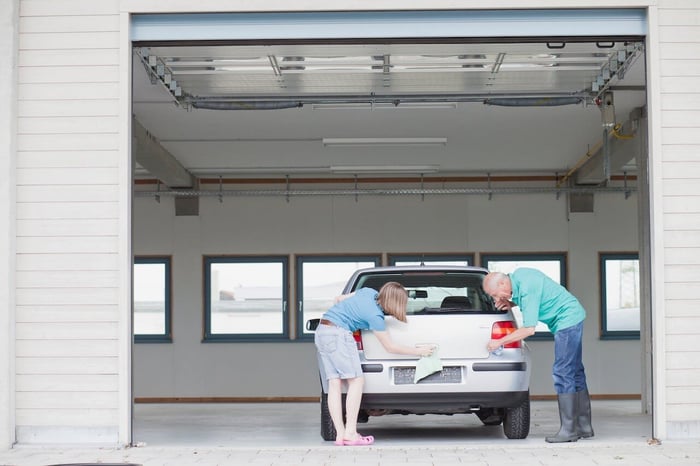
A clean car isn't just for aesthetics. Dirt, bird droppings, and tree sap can damage paint over time, especially when left sitting for months. Wash and dry the exterior thoroughly. Clean the interior too—crumbs and spills attract pests.
2. Change the Oil and Check Fluids
Did you know that old engine oil contains contaminants that can corrode engine components during storage? Change the oil and filter before storing. Top off any fluids like coolant, brake fluid, and power steering fluid to prevent moisture from collecting in low fluid levels.
3. Fill the Gas Tank and Add Fuel Stabilizer
Similar to the last step, filling your fuel system prevents moisture from forming inside the fuel system and reduces the risk of the seals drying out. Add a fuel stabilizer according to the product instructions, then run the engine for a few minutes so it can evenly distribute through the system.
4. Protect the Battery
Just like a laptop loses its charge when left unused for months, a vehicle's battery will slowly drain when it sits idle. The best approach is to use a trickle charger, which keeps the battery at a healthy charge without overcharging it. Alternatively, disconnect the negative terminal if you won't have access to power.
5. Inflate the Tires Properly
Flat spots are a nuisance to every car owner. When a vehicle sits in one position for weeks or months, flat spots can appear on the tires. In cold weather, this damage can become permanent, requiring you to replace them. Inflate tires to the manufacturer's recommendation. If storing for six months or more, consider placing the vehicle on jack stands to take the weight off the tires entirely.
6. Protect the Vehicle from Moisture
Moisture is not your friend when it comes to vehicle storage. Place moisture-absorbing products inside the cabin and stuff exhaust pipes and air intake openings with steel wool or plugs to keep rodents and humidity out. If storing outdoors in Hanford or anywhere with seasonal weather changes, this quick step can prevent musty odors and mold growth.
7. Cover the Vehicle
A breathable vehicle cover protects against dust, light scratches, and UV rays without trapping moisture underneath. Avoid non-breathable plastic covers, which can cause condensation to build up against the paint, causing blistering and corrosion.
8. Check On the Vehicle
Now that your car is fully prepared for its storage, it's time to talk about the most forgotten post-prep step. Visiting your vehicle every four to six weeks allows you to spot any issues that could become big problems if left unresolved.
Check the tire pressure, inspect for any signs of pests or leaks, and start the engine to let it run for a few minutes. This helps keep the battery active and circulates fluids through the engine.
Frequently Answered Questions
How long can a vehicle sit without being driven?
Most vehicles can sit for two to four weeks without major issues. After that, preventative steps are needed to stop battery drain, fuel degradation, and tire flat spots.
Should you disconnect the battery when storing a car?
Yes, if you won't have access to a battery maintainer. Disconnect the negative terminal to prevent slow battery drain over time.
Is it better to store a vehicle with a full tank of gas?
Yes. A full tank reduces moisture buildup inside the fuel system. Pair it with a fuel stabilizer to prevent the gasoline from breaking down.
How do you prevent flat spots on tires during storage?
Keep tires inflated to the correct pressure. For storage longer than a few months, jack stands can take the weight off the tires and prevent flat spots.
Park Safely With Purely Storage
When long-term vehicle storage is done right, it can save you from costly repairs down the line. Prepping your vehicle is the best way to keep it in top condition for when you are ready to take it back out for a spin.
For secure vehicle storage with a security fence and 24/7 video surveillance, visit Purely Storage at Hanford Armona Road to explore available parking and storage options.