Table of Contents
- Why winter storage matters for your motorcycle
- Choose where to store your bike first
- The 10-step winter storage checklist
- 1. Wash and dry the bike completely
- 2. Change the oil and filter
- 3. Fill the tank and add fuel stabilizer
- 4. Care for the battery
- 5. Check the tires and take weight off them
- 6. Lubricate and protect
- 7. Block out pests and moisture
- 8. Use the right kind of cover
- 9. Sort out paperwork and insurance
- 10. Plan a mid-winter check-in
- What size storage unit does a motorcycle need?
- When is climate-controlled storage worth it?
- Frequently asked questions
- Ready to put the bike away for the season?
Knowing how to store a motorcycle for winter is the difference between a bike that fires up on the first warm weekend and one that needs a new battery, a fuel system flush, and a trip to the shop. Cold snaps, damp air, and months of sitting still do quiet damage, and almost all of it is easy to prevent. This guide walks through ten practical steps, from the first wash to the final cover, and explains how to choose the right place to park your bike until riding season returns.
Why winter storage matters for your motorcycle
A motorcycle isn't built to sit. Fuel breaks down and leaves varnish in the carburetor or injectors. Batteries slowly discharge and can be ruined by a deep drain in the cold. Tires develop flat spots under constant weight, and moisture finds its way into chrome, bare metal, and electrical connectors. Mice and other small pests love the warm, sheltered corners of an idle bike, too.
None of that is inevitable. A little prep in the fall, plus a dry and secure place to park, means the bike you put away in November is the same bike you roll out in March.
Choose where to store your bike first
Before you start the checklist, decide where the bike will live, because the location affects every other choice.
A home garage is convenient, but it is often shared with cars, tools, and seasonal clutter, and an unheated garage can swing from freezing nights to damp, mild afternoons. Condensation forms when temperatures swing like that.
A backyard shed or carport keeps the rain off, but it offers little protection from humidity, temperature changes, or curious pests.
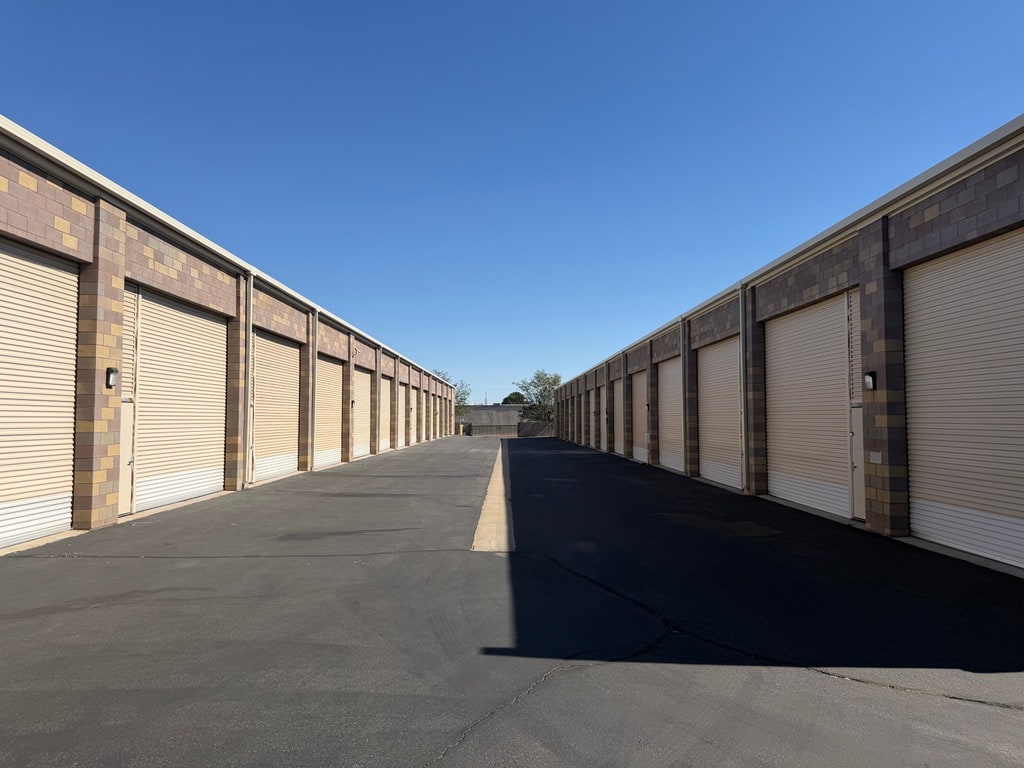
A storage unit puts the bike behind a locked door and a gate, out of the weather, and away from the traffic in your driveway. At Purely Storage, you can choose from a range of unit sizes, and many locations offer drive-up access, so you can roll the bike right up to the door instead of carrying gear across a lot. Browse our motorcycle storage options to see what fits your bike.
The 10-step winter storage checklist
1. Wash and dry the bike completely
Dirt, bugs, and road salt hold moisture against the finish and can corrode metal over a long winter. Wash the bike, dry it thoroughly with a clean towel or compressed air, and then wax the painted surfaces and chrome. Let everything dry fully before it goes under a cover.
2. Change the oil and filter
Used oil contains acids and contaminants that can attack engine parts while the bike sits. Fresh oil and a new filter keep the inside of the engine protected for the whole season. Warm the engine up briefly first so the old oil drains more completely.
3. Fill the tank and add fuel stabilizer
A full tank leaves less room for air, which cuts down on condensation and rust inside the tank. Add a fuel stabilizer, following the directions on the bottle, and then run the engine for a few minutes so the treated fuel reaches the carburetor or injectors.
4. Care for the battery
A battery left connected on a cold bike will slowly drain. You have two good options: remove it and store it somewhere cool and dry on a battery maintainer, or leave it in the bike and hook up a maintainer designed for motorcycles. Disconnect the negative terminal first if you are taking it out.
5. Check the tires and take weight off them
Inflate the tires to the pressure recommended in your owner's manual. If you own a center stand or paddock stands, use them to lift the bike slightly so the tires aren't carrying the full load all winter. If you don't, rolling the bike a few inches every few weeks helps prevent flat spots.
6. Lubricate and protect
Lube the chain according to your manual, and lightly coat exposed bare metal with a rust-preventive spray. On a liquid-cooled bike, confirm that the coolant is fresh and rated for the coldest temperatures your storage spot will see.
7. Block out pests and moisture
Small animals can build nests in an exhaust pipe or air box in a matter of weeks. Plug the exhaust opening and the air intake with a rag or a purpose-made plug, and attach a bright reminder tag to the handlebars so you remember to remove them before you start the engine in spring.
8. Use the right kind of cover
Skip the plastic tarp. Plastic traps moisture against the bike, which is exactly what you are trying to avoid. A breathable, fitted motorcycle cover lets air move while keeping dust off the paint and seat.
9. Sort out paperwork and insurance
Many riders drop their coverage entirely in winter, but keeping comprehensive coverage in place helps protect against theft, fire, and other non-riding damage. Ask your insurer what makes sense for your policy. Storage facilities may also ask for proof of insurance, the bike's make and model, and your ID when you rent, so it helps to have those ready.
10. Plan a mid-winter check-in
Even a well-prepped bike benefits from a quick visit. Every month or so, check the cover, look for signs of pests, make sure the battery maintainer is still connected, and roll the bike a short distance to change where the tires rest.
What size storage unit does a motorcycle need?
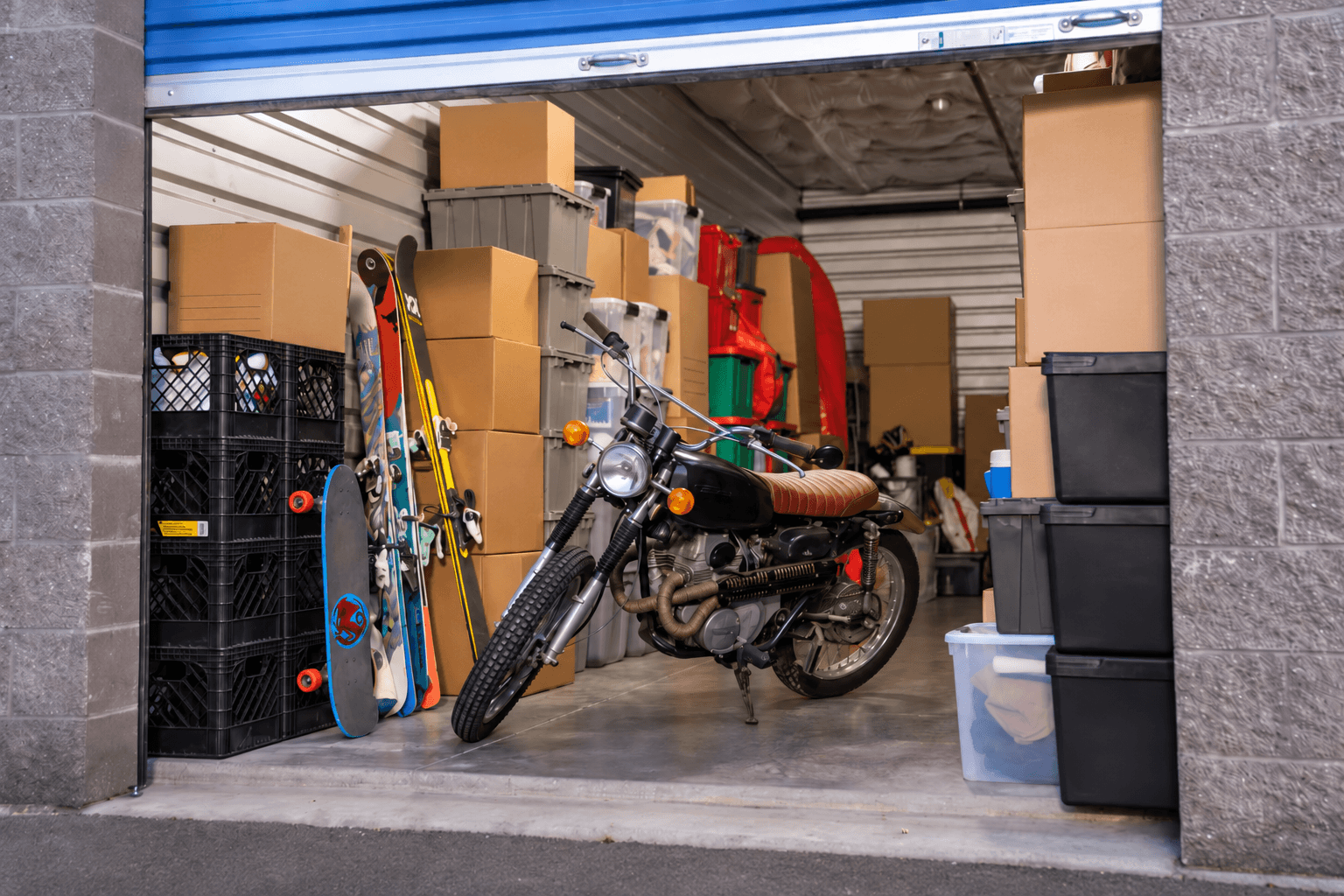
For most standard motorcycles, a 5x10 unit gives enough room to park the bike and still walk around it. Larger cruisers and touring bikes, riders with two bikes, or anyone who wants to store helmets, riding gear, and a workbench alongside the bike will usually be more comfortable in a 10x10 or bigger space. Our storage unit size guide shows what each size can hold, so you can compare before you rent.
A few extra tips for loading the unit: park the bike on the stands or on a mat to catch drips, leave a few inches of clearance on each side so nothing rubs, and keep the cover loose enough to breathe.
When is climate-controlled storage worth it?
If you live somewhere with hard freezes, damp winters, or big temperature swings, climate control can be worth the extra cost. Stable temperatures and lower humidity protect leather seats, rubber seals, electronics, and polished metal. It's especially valuable for vintage bikes, custom paint, and anything with a lot of chrome.
If your winters are mild and dry, a standard drive-up unit with a good cover may be all you need. Purely Storage offers climate-controlled units at select locations, so it is worth asking about availability at the facility nearest you.
Frequently asked questions
Can I leave my motorcycle in a storage unit all winter?
Yes. Many facilities allow motorcycle storage, as long as the bike is properly prepped, covered, and the storage rules are followed. Ask the facility team about requirements such as proof of insurance before you move in.
Should I start my motorcycle during the winter?
Usually not. Idling a bike for a few minutes doesn't get the engine fully warm, and it can create more condensation than it burns off. If you want to check on the bike, inspect it and roll it instead of running the engine. If you do ride it, take it out long enough to reach full operating temperature.
Do I need to drain the gas before storing a motorcycle?
Most riders do the opposite: they fill the tank and add stabilizer. Draining the tank can expose bare metal to air and moisture. If your owner's manual recommends something different for your bike, follow the manual.
How long can I store a motorcycle?
With proper prep, a motorcycle can sit safely for the whole winter and longer. Month-to-month rentals make it easy to store for just the months you need.
Ready to put the bike away for the season?
Give your bike a dry, secure home until spring. Find a Purely Storage location near you and reserve a unit that fits your ride.