Table of Contents
- Why people move in winter
- 1. Book early and build in flexibility
- 2. Watch the forecast, and have a plan B
- 3. Start earlier in the day
- 4. Clear and treat every path
- 5. Protect your floors and doorways
- 6. Pack for the cold
- 7. Pack an essentials box
- 8. Check utilities at both ends
- 9. Dress in layers and keep everyone warm
- 10. Take care of kids and pets
- 11. Use storage as a buffer
- 12. Plan the unload as carefully as the load
- A quick winter moving checklist
- Frequently asked questions
- Make your cold-weather move easier
If a year-end move is on your calendar, these moving-in-winter tips will help you stay safe, protect your belongings, and keep the day on schedule. Winter moves come with real advantages, including lower rates from some movers and more flexible booking, but they also bring snow, ice, early sunsets, and cold that can damage electronics and furniture. With a little preparation, you can handle all of it. Here is how to plan a cold-weather move from start to finish.
Why people move in winter
Many moves happen in the colder months for good reasons. Leases end in December, job transfers start in January, families want to settle before a new semester, and home closings do not follow the weather. Some moving companies also have more open dates and flexible scheduling in the off-season, which can make booking easier.
The tradeoff is that everything takes longer in cold, wet, or icy conditions, and daylight is limited. Planning around those realities is the secret to a smooth day.
1. Book early and build in flexibility
Even though winter can be a slower season, holidays and end-of-year deadlines fill calendars quickly. Book your movers or rental truck as early as you can, and ask what their policy is if a storm hits. Choose a date, but give yourself a backup day. If your lease or closing is fixed, ask whether there is any room for a short overlap in case weather delays the move.
2. Watch the forecast, and have a plan B
Start checking the forecast a week out and again the night before. If severe weather is coming, talk to your movers about adjusting the schedule rather than risking a dangerous drive. Keep an eye on road conditions along your route, especially if you are driving a heavy truck or crossing mountain passes.
3. Start earlier in the day
Winter days are short. Aim to begin loading early so that most of the heavy work is done in daylight. Pack a few flashlights or headlamps for the end of the day, and make sure the paths around both homes are well lit.
4. Clear and treat every path
Snow and ice are the biggest safety risks on a winter move. Before the movers arrive:
- Shovel the driveway, walkway, and steps at both locations
- Spread salt, sand, or an ice melt product on slippery spots
- Clear a path wide enough for furniture and dollies
- Keep a doormat or towels at each entrance to keep floors dry
If you are moving into a new home, ask the seller, landlord, or building manager whether the walkways will be cleared before you arrive.
5. Protect your floors and doorways
Wet boots and dollies can quickly ruin floors. Lay down rugs, cardboard, or floor protection film along the main route through both homes. Use door jamb protectors or wrap door frames with padding. Keeping floors dry also keeps the crew safe.
6. Pack for the cold
Some belongings do not handle freezing temperatures well, so pack them carefully.
- Electronics: Keep original boxes or padded containers, and let TVs, computers, and gaming consoles warm up to room temperature before plugging them in. Moving from cold to warm too quickly can cause condensation.
- Plants: Houseplants can be damaged in minutes by freezing air. Wrap them in paper or a breathable cover, and move them in the warmest part of the day, or transport them in your own heated car.
- Liquids: Soaps, cleaning products, and drinks can freeze and burst. Move them in your own vehicle if possible.
- Musical instruments and wood furniture: Sudden temperature and humidity changes can cause cracking or warping, so wrap and protect them, and let them adjust gradually.
- Candles and wax items: Cold can make wax brittle. Pad them well.
Anything hazardous, such as flammable liquids, should not be packed on the truck at all, so check with your mover about their policy.
7. Pack an essentials box
Cold weather makes the first night in a new place more uncomfortable if you cannot find what you need. Pack a clearly labeled box, and keep it with you rather than on the truck. Include:
- Bedding, towels, and a change of clothes
- Chargers, medications, and important documents
- Toiletries, paper towels, and basic cleaning supplies
- A kettle, mugs, coffee, tea, and a few snacks
- Tools to reassemble beds and furniture
- A small heater or extra blankets if the home might be cold
8. Check utilities at both ends
Before moving day, confirm that heat, water, and electricity are on at your new home, and that they stay on at your old one until you are done. A cold house with no power is no fun to unload into. If you are moving out, set the thermostat to a safe temperature so pipes do not freeze while doors are open and closed.
9. Dress in layers and keep everyone warm
Moving is hard work, but you will still get cold when the doors are open. Dress in layers you can add and remove. Keep gloves on to improve your grip on cold boxes, and wear boots with good traction. Provide hot drinks and snacks for helpers, and take regular breaks indoors.
10. Take care of kids and pets
Children and pets are safest away from the action. If possible, arrange for a family member or sitter to take them for the day. If they have to be there, set up a warm, quiet room with their favorite things, and keep doors closed so they do not slip outside.
11. Use storage as a buffer
One of the most useful winter moving tools is a storage unit. If your closing date slips, your new home is not ready, or you need to clear space for staging, storage gives you a safe place to put your belongings in the meantime. It can also help if you are downsizing and have more than will fit in the new space.
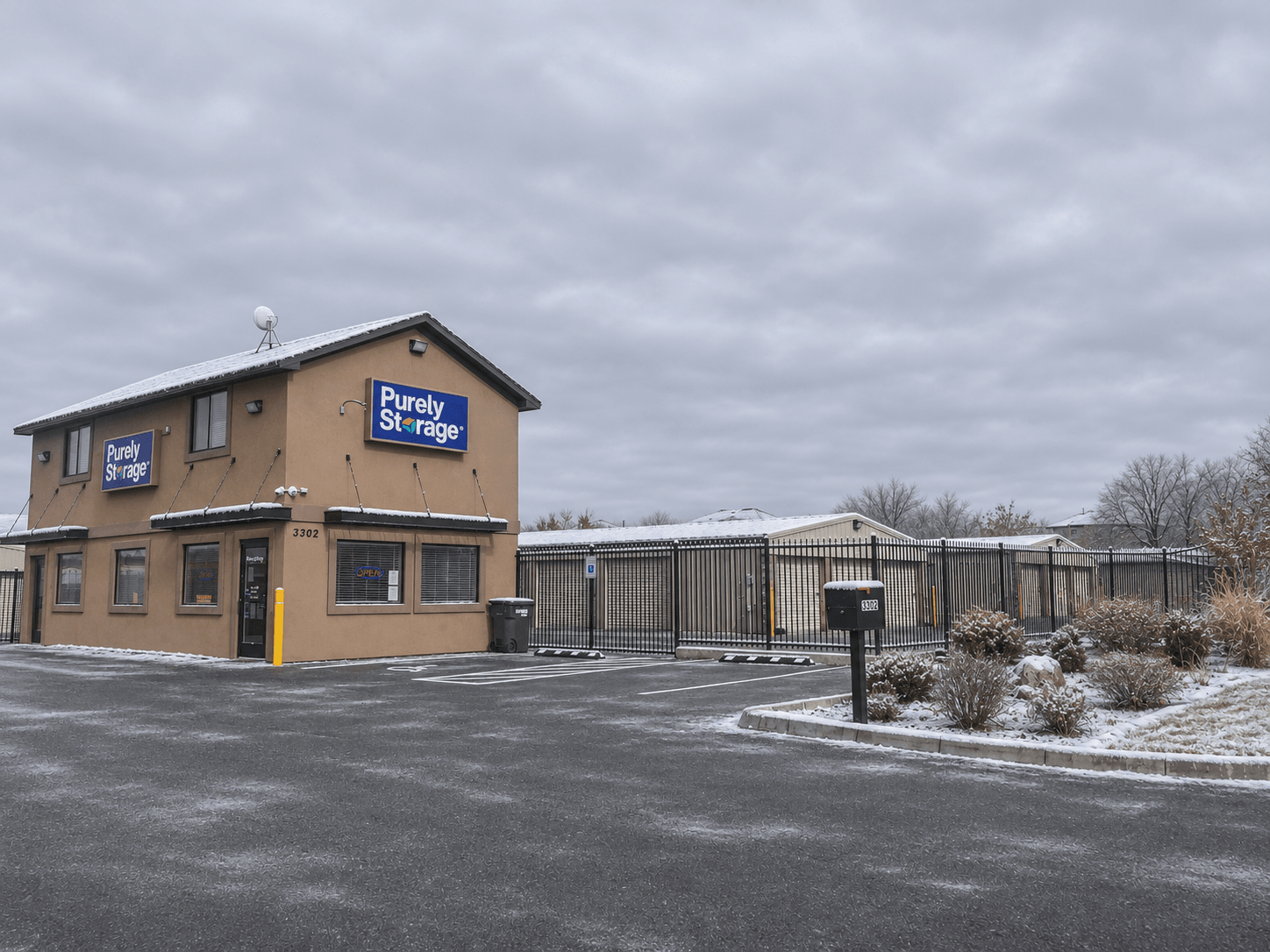
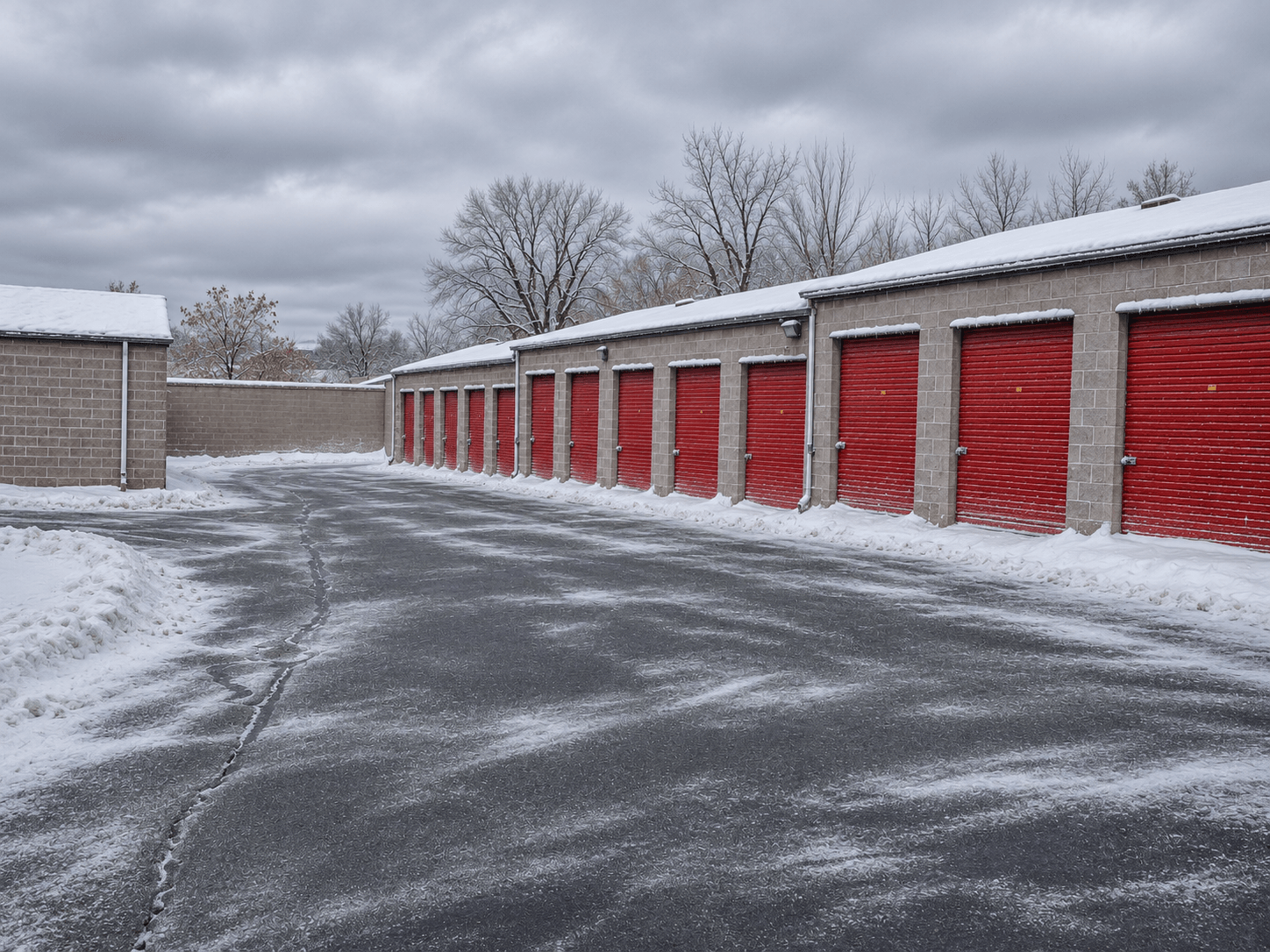
At Purely Storage, you can choose from a range of unit sizes, and many locations offer drive-up access, which lets you load directly from a truck or car without long carries through hallways in the cold. Use our storage unit size guide to estimate what you need. For items that do not do well in temperature swings, such as electronics, wood furniture, and photographs, ask about climate-controlled storage at your nearest location.
12. Plan the unload as carefully as the load
When you arrive, have a floor plan or a simple list ready, so movers know where each box and piece of furniture goes. Open the doors only as needed to keep heat in. Check items for damage before the movers leave, and keep your essentials box and valuables close.
A quick winter moving checklist
- Book movers and a backup date early
- Monitor the forecast
- Clear and treat all walkways and driveways
- Protect floors and door frames
- Pack electronics, plants, and liquids with care
- Make an essentials box and keep it with you
- Confirm utilities at both homes
- Reserve storage if there is any chance of a gap
Frequently asked questions
Is it cheaper to move in winter?
It can be, since some moving companies have more open dates and may offer lower rates in the off-season. Rates and availability vary, so get quotes from several companies.
What should I not move in freezing weather?
Avoid leaving liquids, plants, candles, and sensitive electronics in a cold truck for long. Move them in your own heated vehicle when you can.
How long should I let electronics warm up before using them?
Many manufacturers suggest letting devices sit at room temperature for a few hours before plugging them in, so condensation has time to evaporate. Check the guidance for your specific devices.
Can I use a storage unit during a winter move?
Yes. Storage is a great way to handle gaps between leases, closings, or when you need to clear space. Month-to-month rentals make it easy to pay only for what you need.
Make your cold-weather move easier
If your timeline has any uncertainty, a storage unit takes the pressure off. Find a Purely Storage location near you and reserve a unit that fits your move.