Table of Contents
- What cold weather really does to stored belongings
- Items that don't handle the cold well
- Items that usually tolerate the cold
- How to prepare items for cold-weather storage
- Garage, standard unit, or climate-controlled space?
- How long can you store things in the cold?
- Choosing the right unit size
- Frequently asked questions
- Protect what matters this winter
Storing items in cold weather sounds simple until you open a box in spring and find a cracked bottle, a warped guitar, or a sofa that smells damp. Cold itself is only part of the problem. Freezing temperatures, rapid warm-ups, and the moisture that comes with them can quietly damage belongings that seemed perfectly fine when you packed them. This guide explains what actually happens to your things in the cold, which categories are most at risk, and how to protect them, whether you are using a garage, a drive-up unit, or a climate-controlled space.
What cold weather really does to stored belongings
Three things cause most winter storage damage.
Freezing and expansion. Water expands when it freezes. Anything that contains liquid, even a small amount, can swell, split, or burst.
Brittleness. Cold makes plastic, rubber, vinyl, and wax less flexible. Items that bend easily in warm rooms can crack when moved or bumped in freezing temperatures.
Condensation and moisture. When temperatures swing, moisture in the air forms droplets on cold surfaces. That moisture can lead to rust, mildew, swelling wood, and damage to electronics and paper. This is often a bigger threat than cold alone, especially in climates with damp winters or frequent freeze-and-thaw cycles.
Understanding these three mechanisms makes it much easier to decide what needs extra protection.
Items that don't handle the cold well
Some belongings can sit in a cold space for months with no trouble, while others are more fragile. Here are the categories that deserve a second look.
Liquids and anything that contains them
Bottled drinks, cleaning products, lotions, paint, and anything water-based can freeze, expand, and split their containers. Many of these items are best kept at home or used up before storing. Note that hazardous and flammable liquids are not allowed in storage units at all.
Electronics and appliances
TVs, computers, game consoles, speakers, and small appliances can be damaged by freezing temperatures and by condensation when they warm up. Pack them in original boxes or padded containers, add silica gel packets if you have them, and give them time to reach room temperature before plugging them in. Items with batteries should be stored with the batteries removed, since cold drains them quickly and can damage some types.
Wood furniture and musical instruments
Wood expands and contracts with changes in humidity and temperature. Over time, that can cause cracks, loose joints, peeling veneer, and warped panels. Guitars, violins, pianos, and other instruments are especially sensitive, and a sudden shift can cause costly damage.
Leather, upholstery, and mattresses
Leather can dry out and crack in cold, dry conditions, or develop mildew in damp ones. Upholstery and mattresses absorb moisture from the air. Use breathable covers, never plastic wrap, and mattress bags that are meant for storage.
Paper, photos, books, and artwork
Paper products absorb moisture and can curl, stick together, or grow mildew. Photographs, documents, and paintings are especially vulnerable to humidity swings. Store them in archival boxes, wrap framed pieces in breathable material, and keep them off the floor.
Candles, wax, and cosmetics
Wax becomes brittle in the cold and may crack. Many cosmetics and skin products can separate or degrade when they freeze and thaw. If these items matter to you, bring them home or store them in a temperature-controlled space.
Vinyl records, tapes, and collectibles
Vinyl and magnetic media can warp or degrade with temperature changes. Collectibles such as trading cards, comics, and toys can be damaged by moisture. Keep them in sealed bins or protective sleeves.
Items that usually tolerate the cold
Many things are fine in an unheated unit with a little preparation.
- Clean, dry clothing and linens in sealed bins
- Metal tools, if they are dry and lightly oiled to prevent rust
- Plastic storage bins and their contents (as long as they hold no liquids)
- Patio and outdoor furniture, once clean and dry
- Bicycles, sports equipment, and camping gear, cleaned and dried
- Books in plastic bins, if the unit stays relatively dry
Even for durable items, cleanliness matters. Dirt and moisture are what cause trouble in storage, so wipe things down and let them dry fully before packing.
How to prepare items for cold-weather storage
A few habits protect nearly everything you store.
- Clean and dry every item. Moisture trapped in boxes is the most common cause of mildew.
- Use sturdy plastic bins with tight lids rather than open boxes, and avoid overfilling them.
- Keep items off the floor. Pallets, shelving, or even a layer of plastic sheeting under a breathable cover improves airflow and keeps moisture away.
- Wrap with breathable materials. Use moving blankets, cotton sheets, or acid-free paper. Plastic wrap can trap moisture against surfaces.
- Add moisture absorbers. Silica gel packs or desiccant containers can help in damp spaces, but replace them as directed.
- Leave a little air space. Do not push boxes and furniture tight against walls, so air can move.
- Pack fragile items with extra padding, since brittle materials crack more easily when bumped.
- Label everything, and keep the items you may need during winter near the front.
Garage, standard unit, or climate-controlled space?
Where you store matters as much as how you pack.
Home garages and sheds are convenient, but they are often unheated and prone to temperature swings, dampness, and pests.
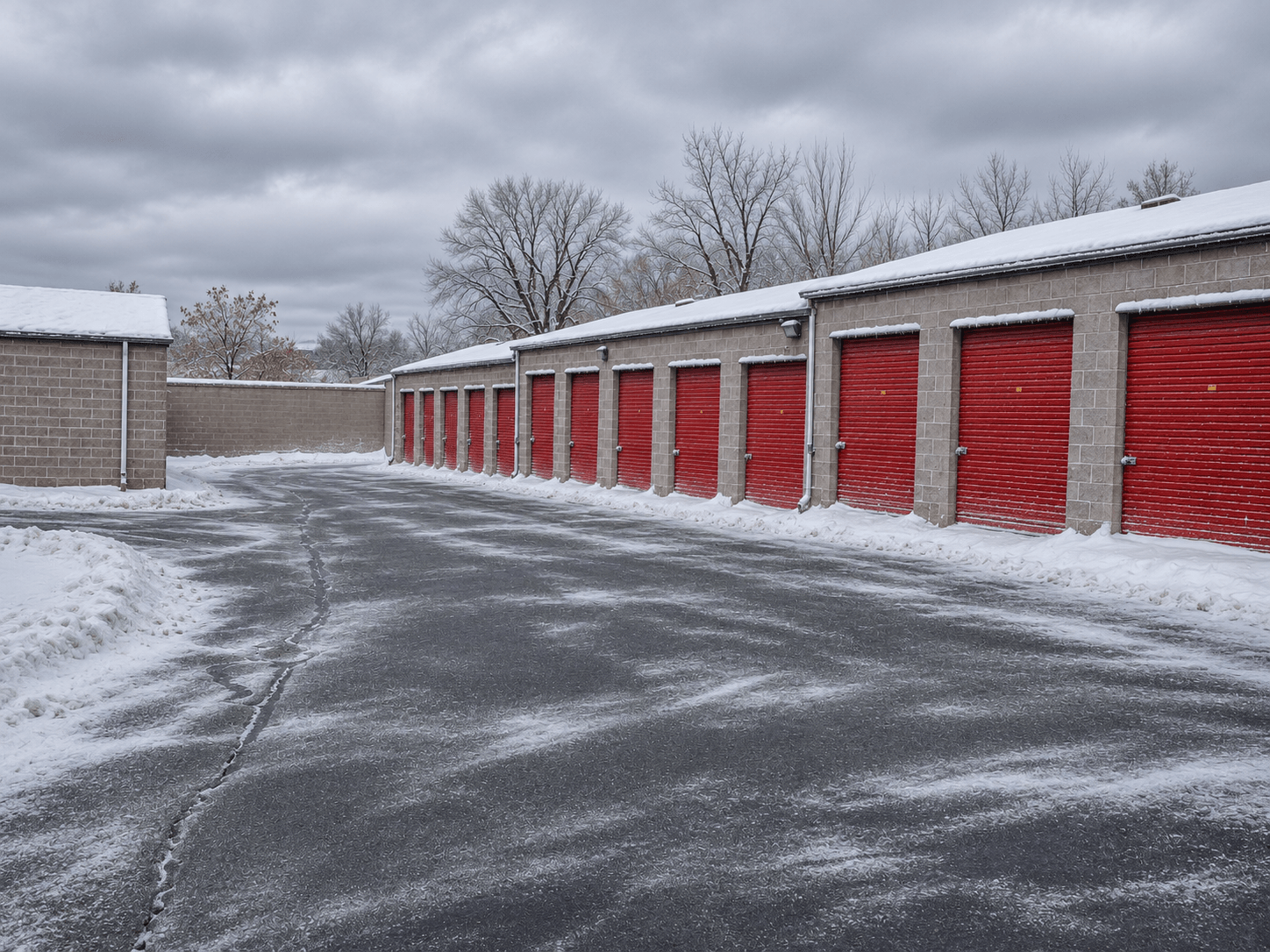
Standard drive-up storage units offer a secure, enclosed space away from rain and snow, and they are a good choice for items that tolerate the cold. Purely Storage's drive-up storage lets you pull right up to your unit, which is helpful on cold days when you do not want to carry boxes across a long lot.
Climate-controlled storage helps keep temperature and humidity within a more stable range, which makes it a smart choice for electronics, wood furniture, instruments, artwork, photographs, and other sensitive items. Many Purely Storage locations offer climate-controlled units, and availability varies by facility, so it is worth asking about the location nearest you.
A simple way to decide: if an item would be damaged by freezing, or if replacing it would be expensive or impossible, climate control is worth considering. If it is durable, clean, and easy to replace, a standard unit is often enough.
How long can you store things in the cold?
With good preparation, most belongings can stay in storage for months with no trouble. The risk goes up when items have not been cleaned and dried, when they are packed in damp conditions, or when they are sensitive to temperature changes. If you plan to store for the whole winter, check on your unit once or twice, look for signs of moisture or pests, and make sure nothing has shifted.
Choosing the right unit size
Cold-weather storage often involves seasonal gear like patio furniture, holiday decorations, bikes, and winter sports equipment. Our storage unit size guide shows what typically fits in each size, so you can avoid renting more space than you need. Leave a little extra room for air circulation and for walking into the unit.
Frequently asked questions
Is it safe to store electronics in a cold storage unit?
It can be, with care, but climate-controlled storage is a safer choice for expensive or sensitive electronics. If you do use a standard unit, pack them in original boxes, remove batteries, and let them warm up before use.
Will freezing temperatures ruin my furniture?
Solid, dry furniture often does fine, but wood and upholstered pieces can be damaged by moisture and temperature swings. Clean and dry them, cover them with breathable fabric, and consider climate control for valuable or sentimental pieces.
Can I store paint or cleaning supplies in a storage unit?
No. Flammable and hazardous materials are not allowed. Use them up, dispose of them properly, or keep them at home in a safe location.
Do I need to worry about mold in winter?
Yes. Cold, damp conditions can encourage mildew, especially if items are stored dirty or damp. Clean and dry everything, use breathable covers, and add moisture absorbers if needed.
How do I know if climate control is worth the cost?
Ask yourself what you would lose if the item were damaged. For irreplaceable, sensitive, or expensive items, the added protection is usually worth it.
Protect what matters this winter
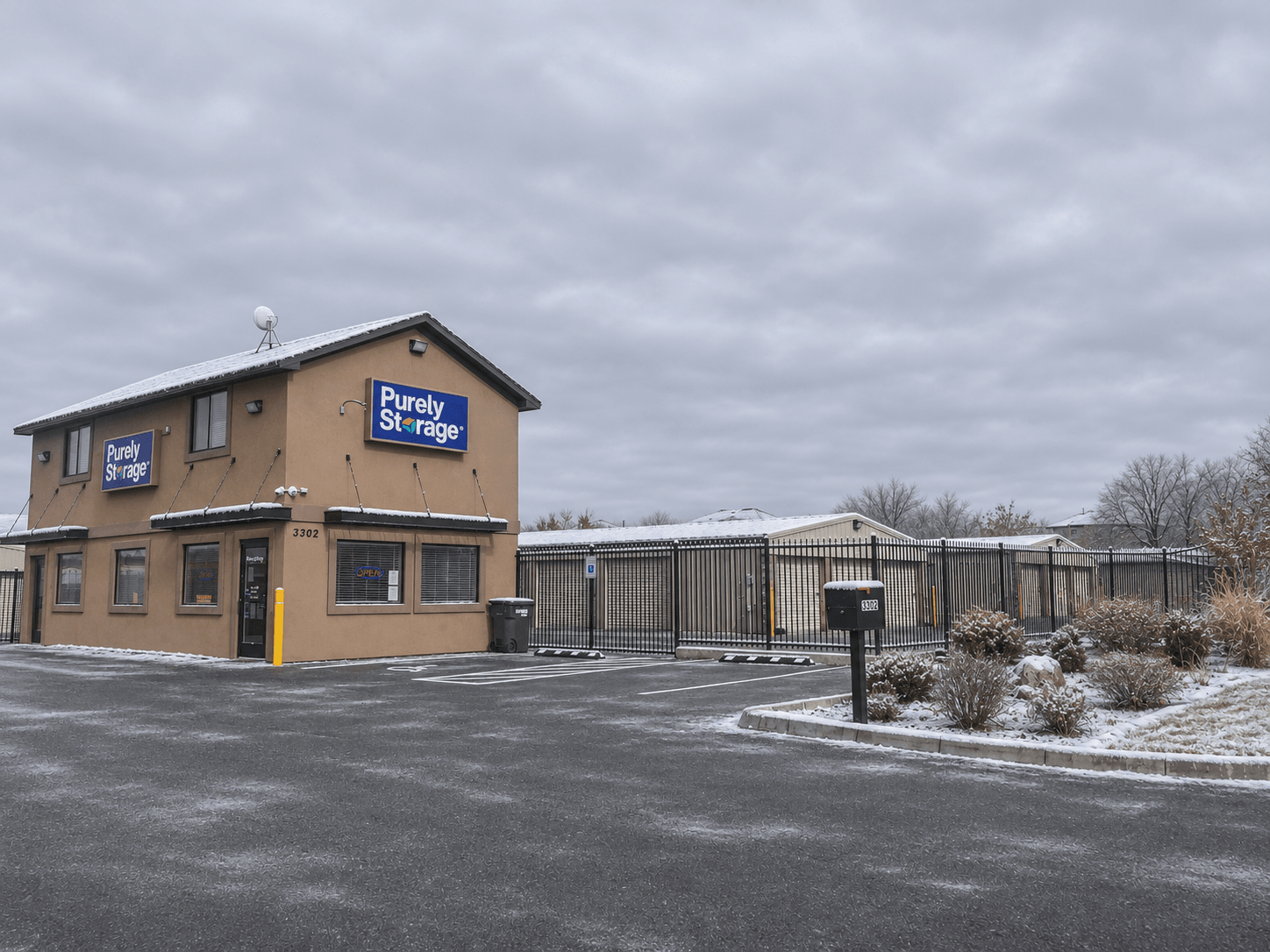
Whether you are storing seasonal gear or valuable keepsakes, the right space makes a difference. Find a Purely Storage location near you and ask about the unit type that fits your belongings.